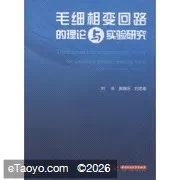
《毛细相变回路的理论与实验研究》体系完整、内容全面,可作为航天器热控制、电子器件与设备散热、制冷低温、热能工程等领域的工程技术人员以及高等院校相关专业师生的参考书。毛细相变回路技术在空间站、航天器、通讯卫星、电子元器件冷却等方面有着广阔的应用前景。《毛细相变回路的理论与实验研究》汇集了作者近十年来关于毛细相变回路的主要研究成果,内容包括毛细芯内的传热与流动,蒸发器和冷凝器内的相变传输,毛细相变的界面现象与稳定性分析,以及针对毛细相变回路的优化、仿真与性能实验等。
编辑推荐
《毛细相变回路的理论与实验研究》是由华中科技大学出版社出版的。 作者简介
刘伟,教授,博士生导师,享受国务院政府特殊津贴。1987年3月一1988年5月赴美国迪金森大学做访问学者;1994年10月-1995年10月赴日本爱嫒大学做高级访问学者;1997年11月-1998年1月赴日本爱媛大学做访问教授。
刘伟教授现兼任中国工程热物理学会理事,中国太阳能学会理事,湖北省工程热物理学会副理事长,教育部热工基础课程教学指导委员会委员,中国电力教育协会能源动力工程学科教学委员会副主任等。曾任国家自然科学奖评审专家,教育部科学技术奖评审专家,国家自然科学基金专家评审组成员等。刘伟教授长期从事工程热物理及能源领域的教学及科研工作,现为“工程传热学”国家级精品课程负责人。主持承担包括国家自然科学基金项目、“973计划”子课题任务项目、教育部博士点基金项目、湖北省科技攻关重点项目等在内的17项国家级和省部级科研项目以及10余项其他院所和企业委托科研项目。获省部级教学与科技成果奖3项,获授权发明专利5项,实用新型专利3项,出版学术专著和规划教材3部,发表学术论文200余篇,其中SCI、EI和ISTP收录论文170余篇次。
黄晓明,1976年6月出生,工学博士,现为华中科技大学能源与动力工程学院副教授,硕士生导师。主要研究方向为热毛细泵相变回路的理论与技术研究、电子器件散热与控制技术、多孔介质传热传质理论研究等。近年来,作为项目负责人承担了l项中国博士后基金,2项校创新基金,并参与了国家自然科学基金重点项目1项、国家973子项目l项及其他国家级项目2项。合作出版专著1部,参编教材l部,在国内外重要期刊公开发表论文20余篇,其中SCI、EI及ISTP收录13篇。
刘志春,工学博士,副教授,硕士生导师,1976~Z3月出生,2006~l毕业于华中科技大学工程热物理专业,获得博士学位。主要研究方向为热毛细泵相变回路的理论与技术研究、传热强化理论与技术以及微通道传热与流动等,教学方面主要承担“传热学”、“工程热力学”、“反应堆热工水力学”等本科和“多孔介质传热传质理论”等研究生课程的教学工作。主持国家自然科学基金、教育部博士点基金以及多项横向课题,参加包括国家自然科学基金重点项目、“973”计划子课题等项目在内的国家级、省部级和横向项目多项。获授权国家发明专利7项,在国内外重要期刊及会议上发表30余篇学术论文,其中SCI、EI及ISTP收录20余篇。 目录
第一部分 毛细芯内的传热与流动分析
CPL蒸发器非饱和多孔芯内流动与传热分析
CPL蒸发器多孔芯温压变化的数值模拟
CPL蒸发器多孔芯传热传质特性的新数学模型
Modeling for Heat and Mass Transfer with Phase
Change in Porous Wick of CPL Evaporator
CPL蒸发器毛细芯中流动与传热的场协同分析
CPL蒸发器毛细芯非饱和流动与传热的场协同分析
Flow and heat transfer analysis in porous wick of CPL evaporator based on field synergy principle
第二部分 蒸发器和冷凝器内的传输问题
CPL冷凝器多孔芯及槽道内蒸气的冷凝分析
平板多孔芯冷凝器内工质相变换热的EOF方法
平板式CPL蒸发器启动特性研究
CPL毛细芯冷凝器的数值模拟研究
小型平板CPL蒸发器耦合数值计算及优化设计研究
小型平板CPL蒸发器预热驱动过程研究
带翅片的小型平板CPL蒸发器相变传热的数值模拟
小型平板CPL实现高热流密度散热的研究
实现电子器件散热的微小型平板LHP蒸发器传热特性研究
Heat Transfer with Flow and Phase Change in an Evaporator of Miniature Flat Plate Capillary Pumped Loop
Numerical Simulation of Two Phase Flow and Heat Transfer in CPL Condenser with Porous Element
Heat and Mass Transfer in a Flat Disc-Shaped Evaporator of a Miniature Loop Heat Pipe
Conjugate Numerical Analysis of Flow and Heat Transfer with Phase Change in a Miniature Flat Plate CPL Evaporator
第三部分 界面现象与稳定性分析
毛细蒸发相变界面的数学模型和机理
相变流体回路中毛细芯内液体汽化界面的稳定性分析
毛细芯热管的相变驱动机制与模型
无重力条件下毛细相变流体回路的稳定性研究
Phase Change Driving Mechanism and Modeling for Heat Pipe with Porous Wick
蒸发毛细弯液面热质传输特征及其稳定性分析
蒸发毛细弯液面基于线性稳定分析的一个显示稳定判据
无重力条件下毛细相变回路中界面的稳定性研究
毛细相变流体回路冷凝界面的稳定性
Modeling of Driving Mechanisms for Capillary Pumped Loops and Loop Heat Pipes
第四部分 系统优化、仿真与性能实验
平板式CPL系统的动态仿真
平板式毛细抽吸两相回路系统启动实验研究
平板型CPL的设计与实验研究
新型平板式CPL系统的设计与实验
Simulation and 0ptimization of Loop Heat Pipe with Flat-Plate Type Evaporator
新型平板式CPL的性能实验
Experimental Investigation of a New Flat Plate Type Capillary Pumped Loop
平板型小型环路热管的温度波动特性
平板型环路热管温度波动现象研究
平板型MLHP温度波动研究
平板式MLHP的仿真与实验研究
小型平板CPL蒸发器优化设计研究
CPL微泵引射辅助回路的数值研究
Design and Experimental Research of a Flat-plate Type CPL with a Porous Wick in the Condenser
Temperature Oscillation of MLHP with Flat Evaporator
Operational Characteristics of Miniature Loop Heat Pipe with Flat Evaporator
工质对平板型LHP运行特性影响的实验研究
环路热管系统温度波动的机理研究
平板型环路热管烧结毛细芯的研制
平板式MLHP实验的稳定性分析 文摘
版权页:
插图:
Though the miniature CPL has the potential as a heat transfer device with high efficiency for thermal management of small spacecraft, the reduction of CPL evaporator size from current bigger to smaller dimensions has been slow, mainly due to insufficient understanding of the physical behaviors occurring within the evaporator.Consequently, the performance optimization and design of CPL requires a thorough understanding of physical behaviors occurring inside the evaporator.
Cao and Faghri developed an analytical solution for heat and mass transfer processes during evaporation in the wick of a CPL evaporator. In this study, it was assumed that the entire porous structure was saturated with liquid and the liquid-vapor interface was located on the unheated portion of the upper surface. With these two assumptions, only the liquid flow in the porous media needed to be studied and the capillary pressure at the liquid-vapor interface was neglected. At the same year, Demidov and Yatsenko presented a numerical study showing that vapor zones can take place within the wick in the capillary evaporator under the fins. Figus et al.have also presented a numerical solution for heat and mass transfer in the cylindrical evaporator wick by using the Darcy model and by using a two-dimensional pore network model. An important conclusion of this work is that the pore network model results are nearly identical to those of the Darcy model for an ordered single pore-size distribution. Yan and Ochterbeck provided a numerical study on the flow and heat transfer in the wick structure of evaporator for a CPL based on two-phase mixture model.
| ISBN | 7560966039,978756096 |
|---|---|
| 出版社 | 华中科技大学出版社 |
| 作者 | 刘伟 |
| 尺寸 | 16 |